
The moon decides what kind of night you are going to have. Night vision goggles do not turn night into day, they multiply whatever is out there already, and on a bad night that is not much. Depth vanishes. Your field of view narrows to a cone you have to keep scanning. You build the missing world in your head and fly through it anyway. This is what that is actually like, and the one night it nearly went wrong.
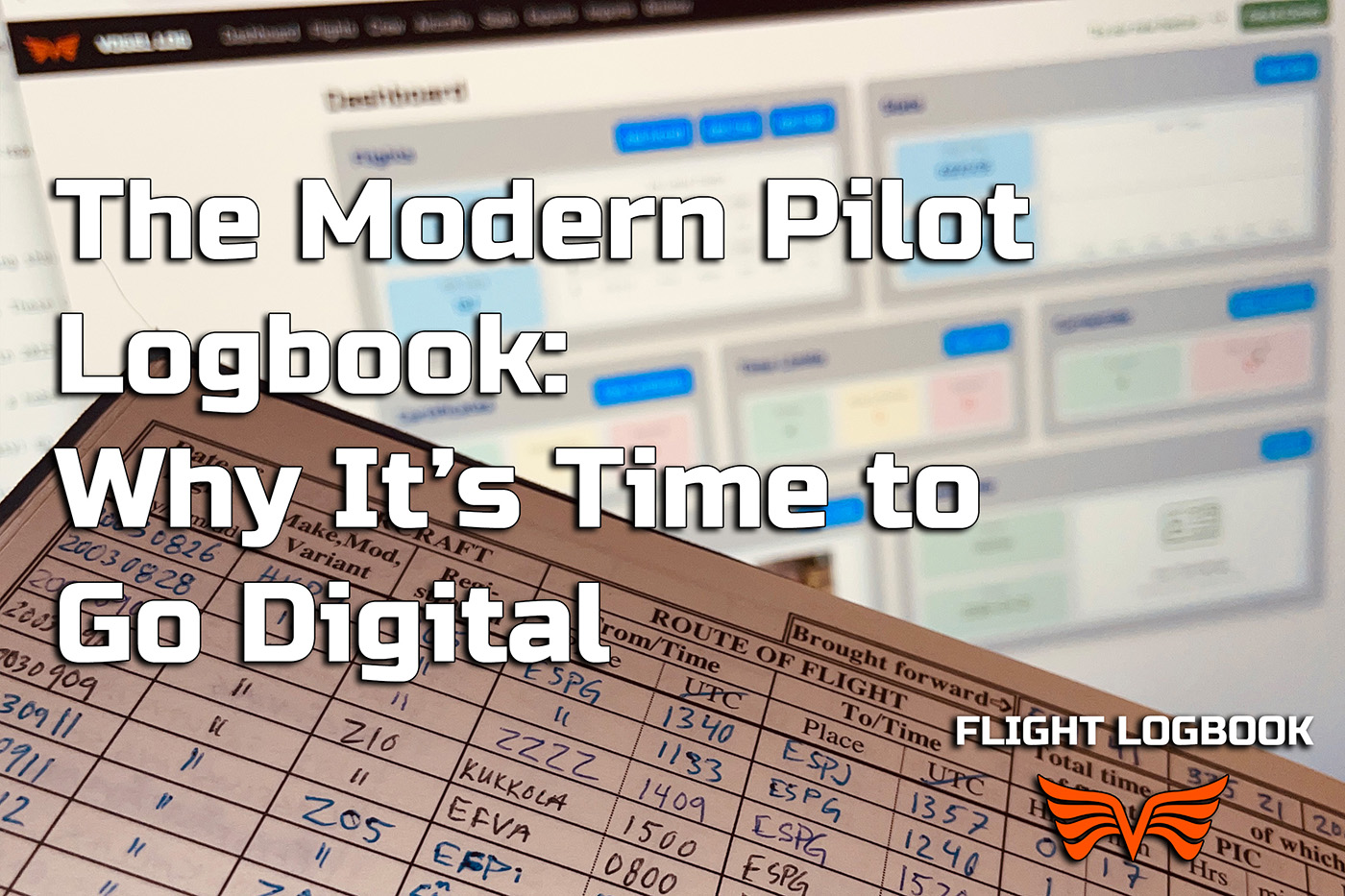
Digital flight logging should definitely be the standard in 2025. The advantages over paper are too many to ignore: automatic calculations, backups, easy reporting, better overviews. The list goes on. But in the end, it’s not about features. It’s about how your logbook makes you feel. If it helps you stay organized, gives you clarity, and feels like something you want to use, then you’re on the right track.
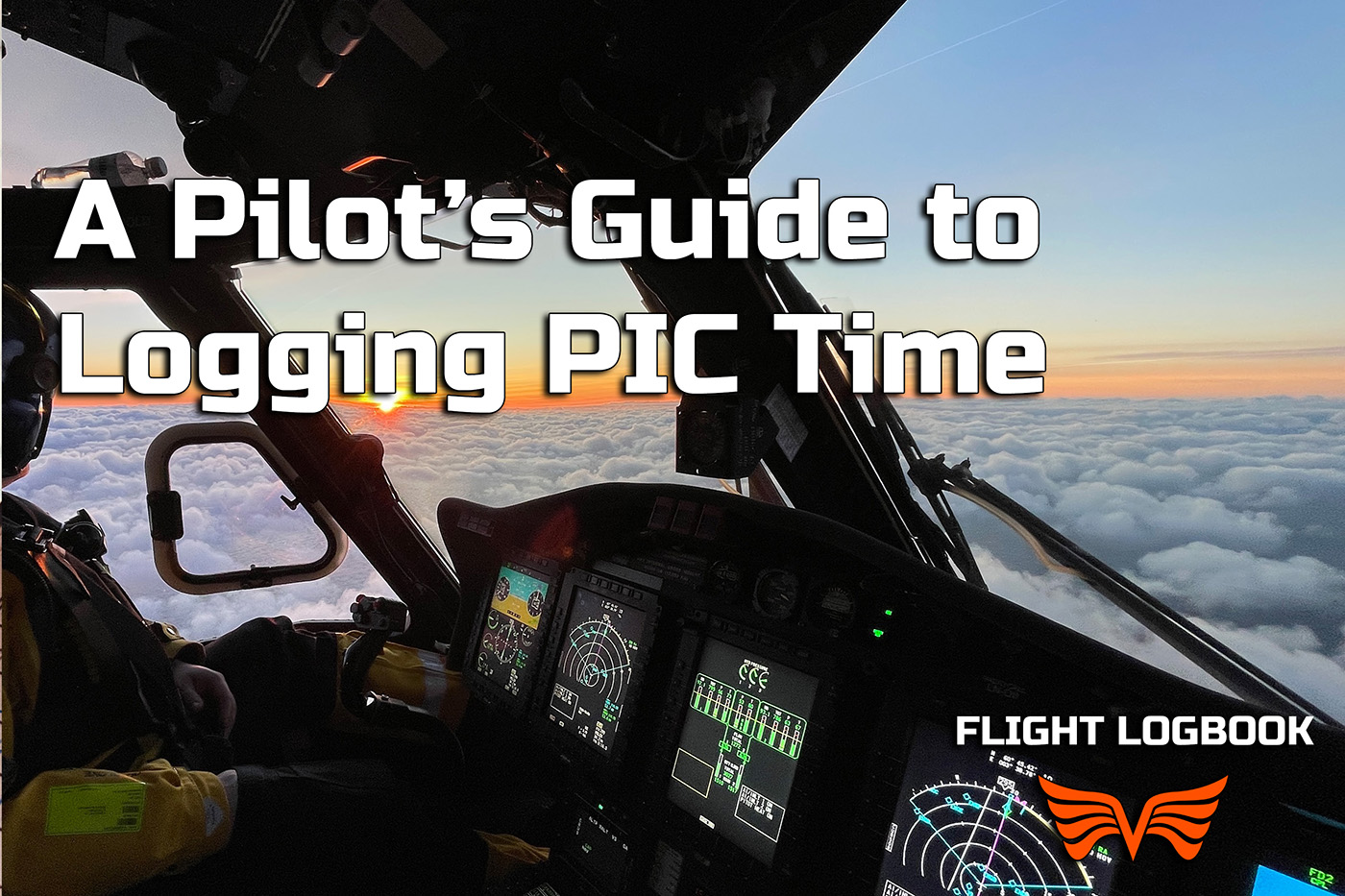
Logging PIC time seems like a picnic until you actually dive into the rules. Then it quickly turns into a bit of a jungle. This post cuts through the confusion. No matter if you are a fresh pilot or if you’ve been around for a while, here's a clear and trustworthy guide to logging PIC time the right way with zero fluff and straight answers from someone who's been there.
Preparing for a pilot interview can feel like a flight check you only get one shot at. Whether you are fresh out of training or making a career move, the key to standing out is not just technical knowledge. It is preparation, mindset, and professionalism. These six tips come from real experience and are here to help you walk in confident and ready.
Please do not close the browser while we are working on your request.